Groundbreaking Indigenous Research Sheds Light on Aboriginal Masculinities
In a significant milestone for both Indigenous scholarship and narrative therapy, Anthony Newcastle has become the first Aboriginal graduate of the Master of Narrative Therapy and Community Work to complete a PhD.
His thesis, which received a pass with excellence and was recommended for the Chancellor's Award, marks an important achievement in the ongoing collaboration between the Department of Social Work at the University of Melbourne and the Dulwich Centre.
Anthony is a storyteller, didgeridoo player, visual artist, cultural development worker, and narrative practitioner, and brings a rich tapestry of skills to his research. His personal connection to the Stolen Generations - both of his parents were forcibly removed from their Aboriginal families in the Northern Territory - adds a profound layer of understanding to his work.
At the heart of Anthony’s research is an innovative Indigenist story-journey transformative methodology he developed called 'The Search for Green Ant Dreaming'. The thesis incorporates a diverse range of media, including videos, audio recordings, music composition, painting, collective poetry, letters, and written stories. This multimedia approach ensures that the research is accessible and meaningful to the men and communities involved, breaking down traditional academic barriers.
You can listen to these two audio clips made by the participants of the research here: Understand the words and What’s its name? Shame.
Anthony's research addressed two critical questions: "What do Aboriginal men have to say about Aboriginal masculinities and becoming the men they want to be?" and "What can be learnt through the ‘Search for Green Ant Dreaming’ methodology to support preferred Aboriginal masculinities today?"
The thesis introduces new conceptual tools, including the Three Hierarchies of Indigenous Masculinities and Three Circles of Indigenous Masculinities. These frameworks offer invaluable insights into Aboriginal masculinities and provide practical approaches for those working with Aboriginal men. True to its transformative nature, the research has also inspired local initiatives relating to preventing men's violence, responding to men's grief, and addressing men's experiences of abuse.
This groundbreaking project marks the culmination of ten years of collaboration between the Dulwich Centre and the University of Melbourne. It sets a new standard for accessible, transformative narrative practice research and opens doors for future studies in this field.
As we celebrate Anthony Newcastle's achievement, we also look forward to the positive changes his research may bring to Indigenous communities and to our understanding of Aboriginal masculinities. This work not only contributes to academic knowledge but also provides practical tools for community development and healing.
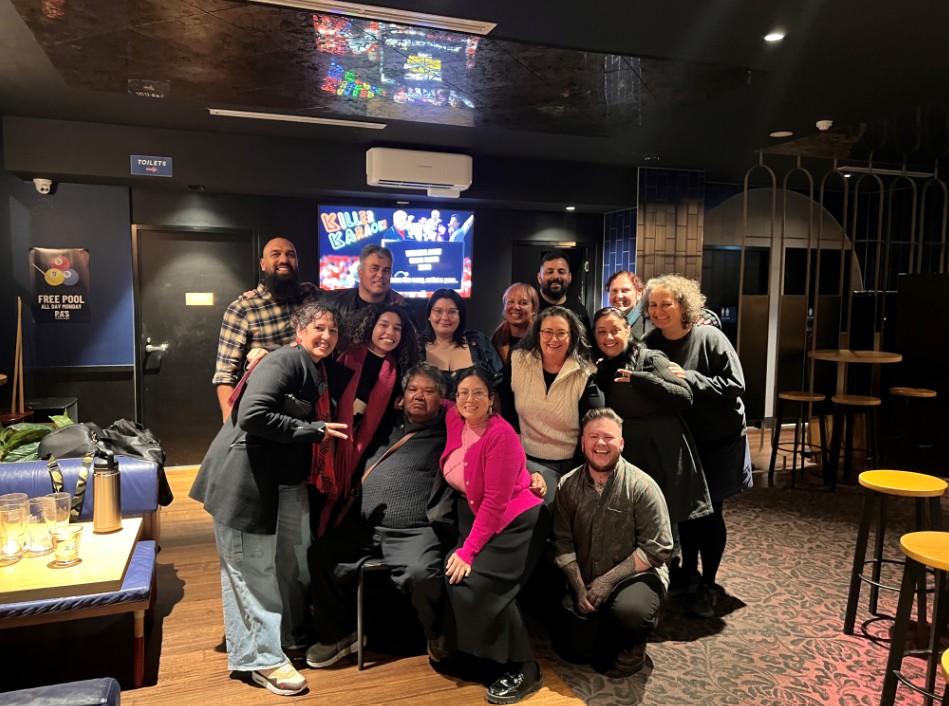
Also, in July, First Nations students of the Master of Narrative Therapy and Community Work program gathered for a mid-semester learning hub in Naarm. This was a week to reconnect and refocus, and a great chance to experience the university campus and to connect with other teaching staff and students. It was special to attend the new Murrup Barak building, and to join the Murrup Barak team for lunch and yarns.
Students had a chance to present their work and gather for collective learning. Of course, all of the learning was accompanied by laughter and fun! We took out first and second place at a trivia night and celebrated the week ending with karaoke. All in all, a very successful week!