Technological Innovation
Cutting edge technologies driving healthcare innovation
-
The technological innovation stream aims to improve delivery, efficiency, and care with new or improved technologies.
Our projects at BEST include using artificial intelligence (AI) to develop a machine‑learning model that increases adherence to non‑invasive ventilation (NIV).
-
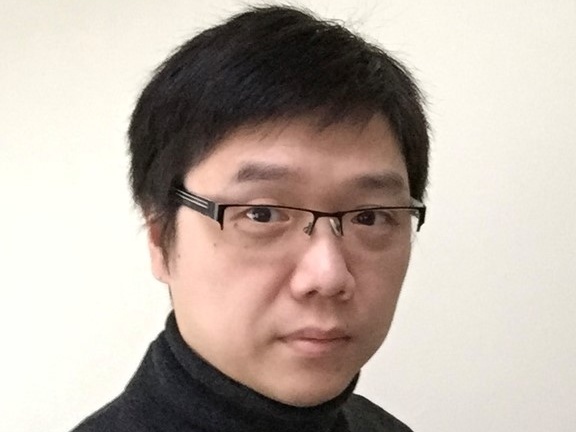
Dr Joel Yang is the technological innovation stream lead.
Dr Yang is a Research Fellow in the Department of Physiotherapy. He is also a clinician at the Royal Children's Hospital Melbourne, where he holds the appointment of senior scientist in the Paediatric Sleep Service. His PhD, awarded in 2009, pioneered research involving the use of spectral analysis of EEG as an alternative and more precise measure of sleep quality in children with sleep disordered breathing.
-
Personalised Respiration Adjustment during NIV with AI (prāṇa / प्राण)
Non‑invasive ventilation (NIV) is the most effective intervention for people living with motor neurone disease (MND), significantly extending survival beyond medication alone.
Despite this, NIV is under‑utilised and adherence is often poor. Patient‑ventilator asynchrony (PVA) — a mismatch between a person’s breathing effort and the mechanical assistance from the ventilator — is associated with reduced comfort during sleep and may reduce adherence.
Identifying and correcting PVA usually requires travel to hospital for an overnight sleep study, followed by time‑intensive clinician review to optimise ventilator settings.
We aim to address this gap by developing a machine‑learning model to automate detection and classification of PVA, with the long term aim of enabling automated ventilator re‑synchronisation at the bedside.
OnSight Project
We are currently in the early stages of a complementary project that targets the same gap as prāṇa.
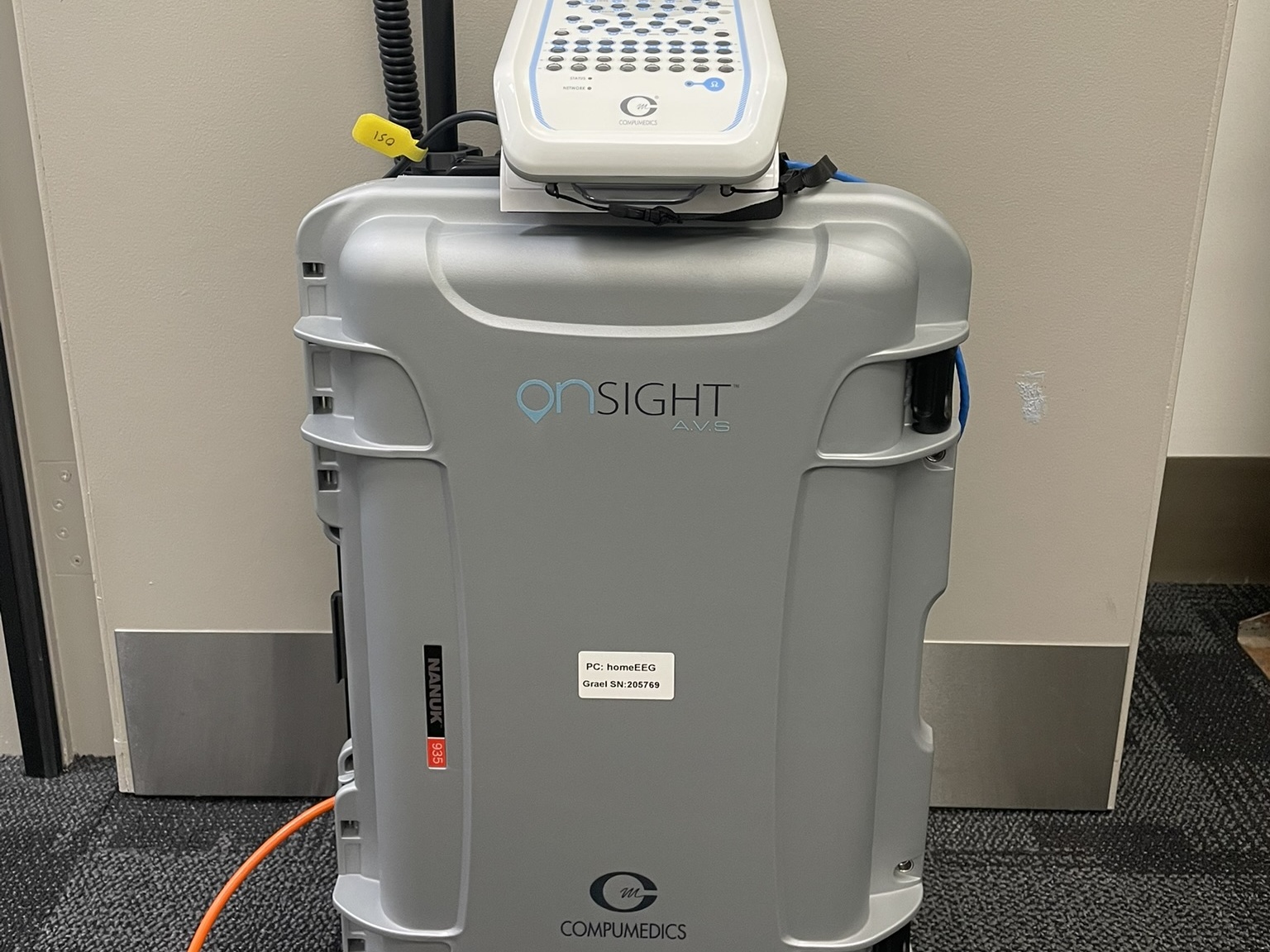
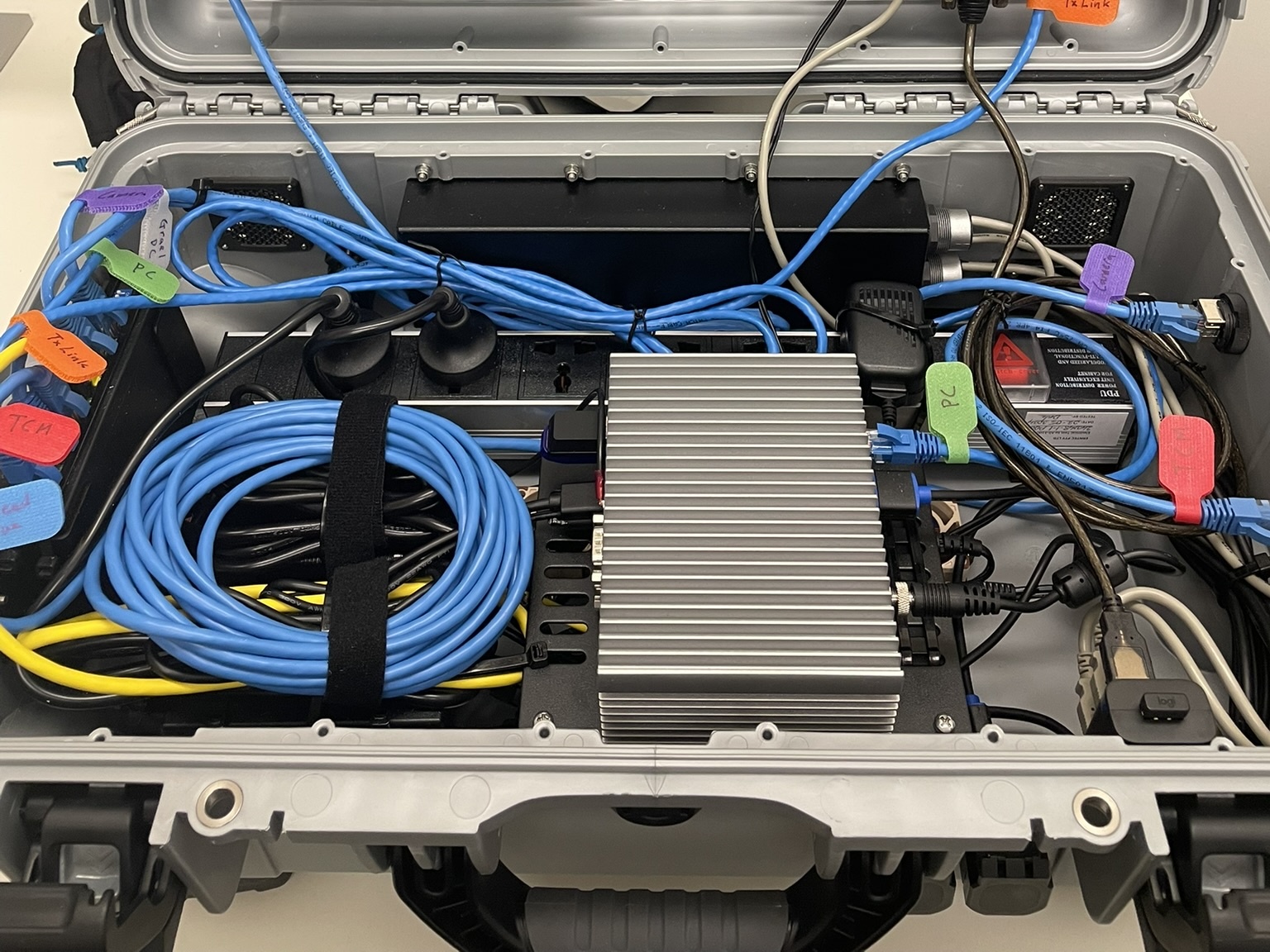
We are assessing the feasibility of using the Compumedics OnSight portable polysomnography (PSG) system for home-based sleep studies, including remote titration for NIV.
In effect, if the patient can't come to the sleep lab, we will bring the entire sleep lab to them, squeezed into a suitcase small enough to be brought on a plane as cabin luggage.
This model could substantially reduce barriers to specialist care and improve access to high‑quality ventilatory optimisation for people living with neuromuscular disease.