Clinical Innovation
Innovative therapies that improve clinical care
-
The clinical innovation stream focuses on improving health outcomes for people living with neuromuscular diseases by enhancing breathing and sleep.
We develop new therapies focused on breathing and cough function, and test ways to optimise existing treatments, such as home ventilator breathing support.
We work with people living with conditions such as amyotrophic lateral sclerosis / motor neurone disease (ALS/MND), spinal cord injury (SCI) and muscular dystrophies, as well as healthcare professionals and community organisations, to improve symptoms, quality of life, and life expectancy.
-
Dr Nicole Sheers leads the clinical innovation stream of the BEST research team.
Nicole is an experienced respiratory physiotherapist, with over 25 years of clinical experience, including 15+ years working with people with chronic ventilatory failure within the state-wide specialist home ventilation service, the Victorian Respiratory Support Service.
Nicole completed her PhD - the first randomised controlled trial of lung volume recruitment in adults with neuromuscular disease - in 2020. She joined Professor Berlowitz as a clinician researcher in the Department of Physiotherapy at The University of Melbourne, and the Institute for Breathing and Sleep based at Austin Health in 2021.
-
A multi-centre randomised controlled trial of polysomnographic titration of non-invasive ventilation in motor neurone disease
Also known as the PSG4NIVinMND (3TLA) Trial
Medical research is littered with acronyms, and this trial has three! The “3TLA ” trial (three, three letter acronyms) is a randomised controlled trial investigating Polysomnography (PSG) for Non-invasive ventilation (NIV) in people with Motor Neurone Disease (MND). Non-invasive ventilation (NIV) is one of the therapies known to improve symptoms, quality of life, and survival in MND, and benefits are greater with more hours of use. The BEST team is running a multi-site study in Australia and Canada to test whether an overnight in-laboratory sleep study (PSG) can increase home ventilation (NIV) usage in people with MND.
CHEST-MND: Combined hyperinflation and expiratory strength training to improve breathing and cough function in people affected by MND
Over time, people living with MND lose the ability to take deep breaths and cough. There are only a handful of treatments currently available that slow down breathing problems and help people cough and clear phlegm. The BEST team is conducting two trials (“CHEST-MND PRO and CHEST-MND COHORT”) of a new exercise therapy that combines lung expansion with breathing muscle training. We are investigating whether this therapy improves breathing capacity, cough strength, symptoms, and quality of life for people affected by MND. We are also exploring the experience and opinions of people living with MND, their carers, and physiotherapists in the community regarding this exercise therapy.
Restoration of Respiratory and Upper Limb Function after Cervical Spinal Cord Injury
Approximately 20,800 Australians currently live with spinal cord injury, with an additional 380 new cases each year. Over half of these injuries result in impaired arm, hand, leg and breathing muscle function and sensation (tetraplegia). More than 75% of people with tetraplegia have a clinically incomplete injury, meaning some connections between the brain and spinal cord remain intact. There is greater potential for functional recovery in incomplete tetraplegia because therapies can work on these spared neural connections.
The BEST team is undertaking unique research to assess a number of these promising therapies in people with a spinal cord injury. Our “RRULI” home-based trial assesses the safety, effectiveness and acceptability of neuro-stimulation and therapeutic intermittent hypoxia in combination with breathing and upper limb exercise training. This Phase II study uses an adaptive clinical trial design under Spinal Cord Injury Neurorecovery Collaboration (SCINC) Master Protocol to robustly generate evidence and efficiently progress knowledge in this field.
-
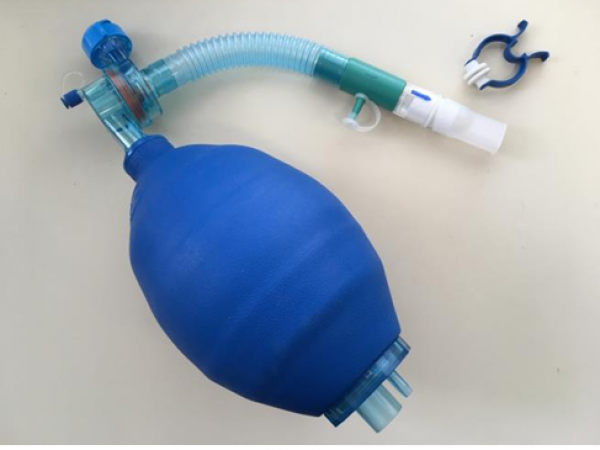
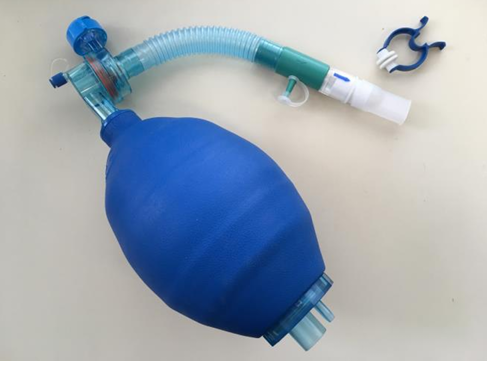
A lung volume recruitment kit
Example of lung volume recruitment (LVR) kit using in research studies -
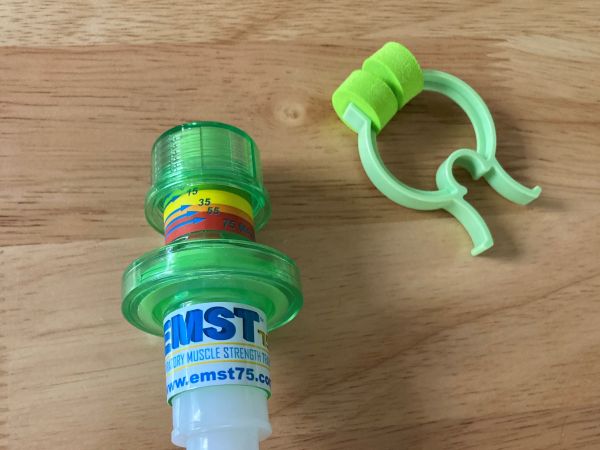
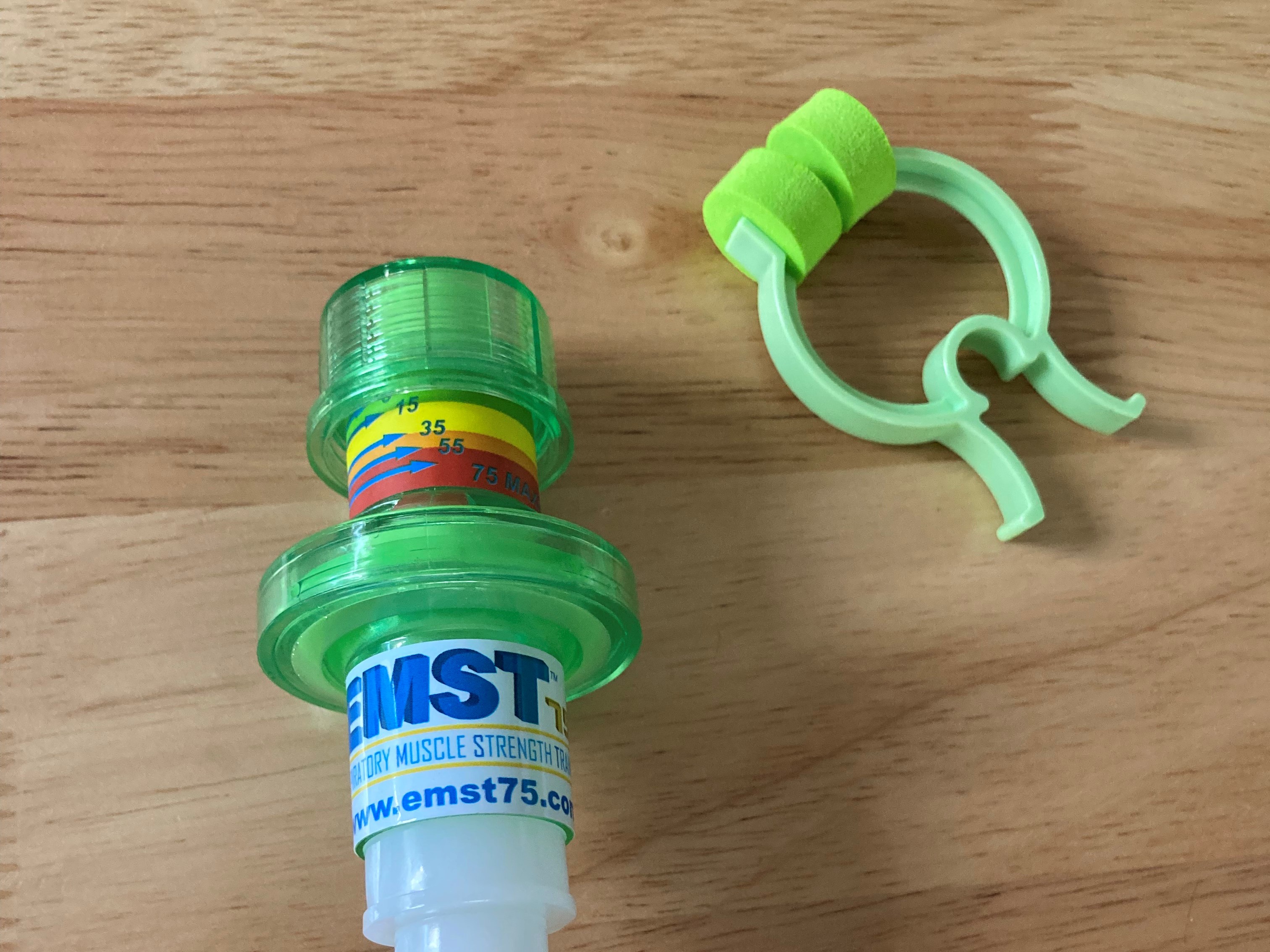
A picture of an expiratory muscle strength trainer device
An expiratory muscle strength trainer device used to strengthen muscles for breathing, coughing and swallowing. -
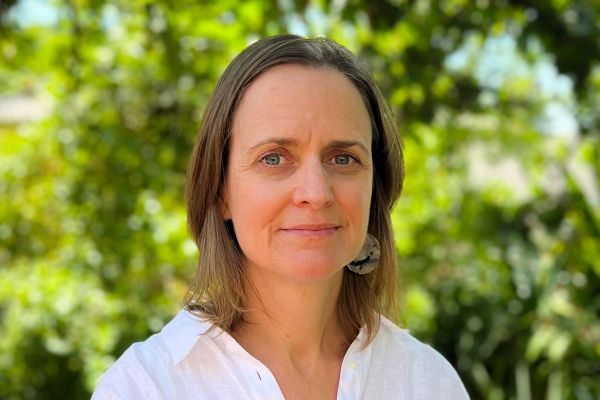
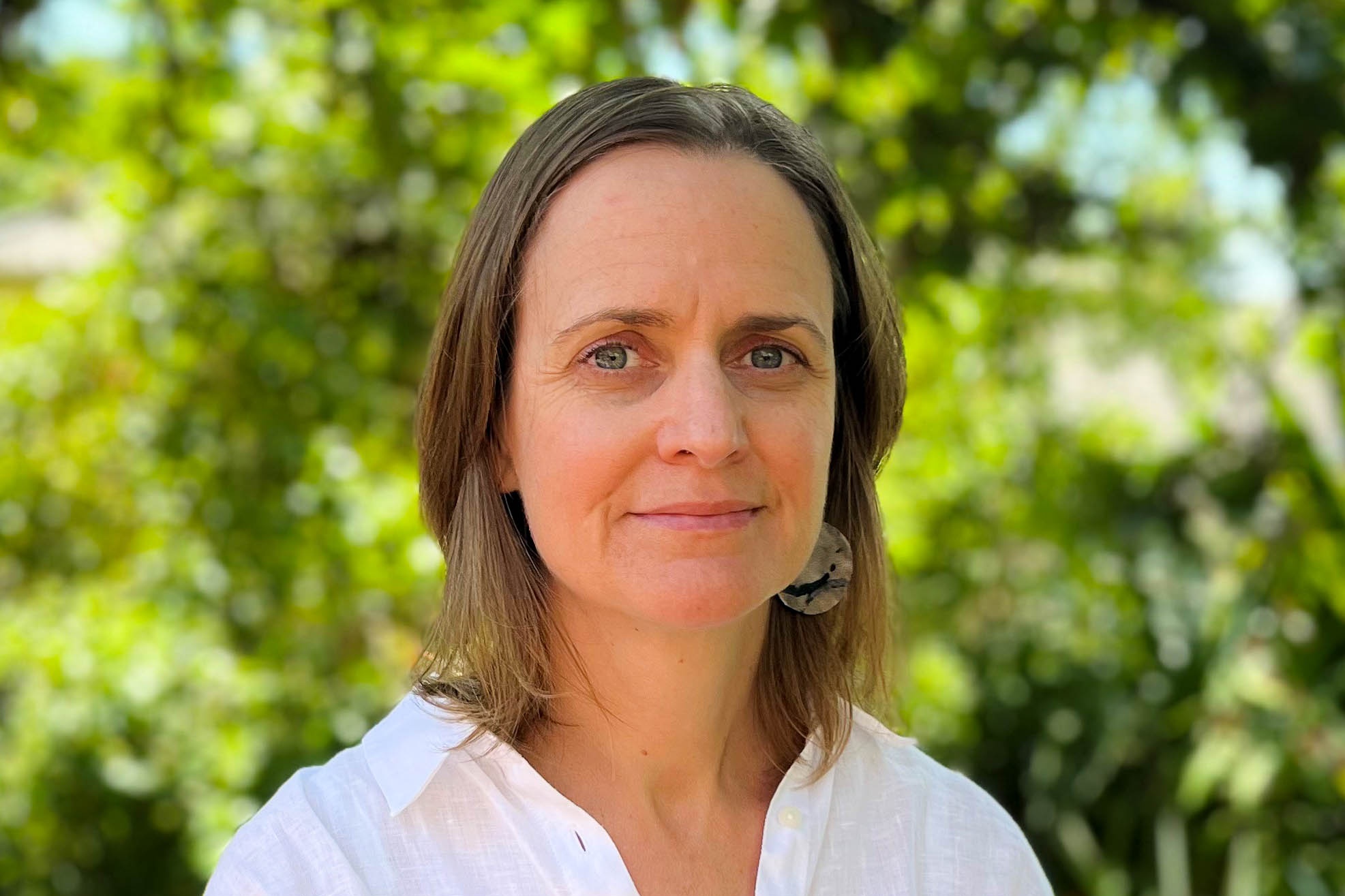
Clinical innovation lead Dr Nicole Sheers
Clinical Innovation Stream Lead Dr Nicole Sheers -
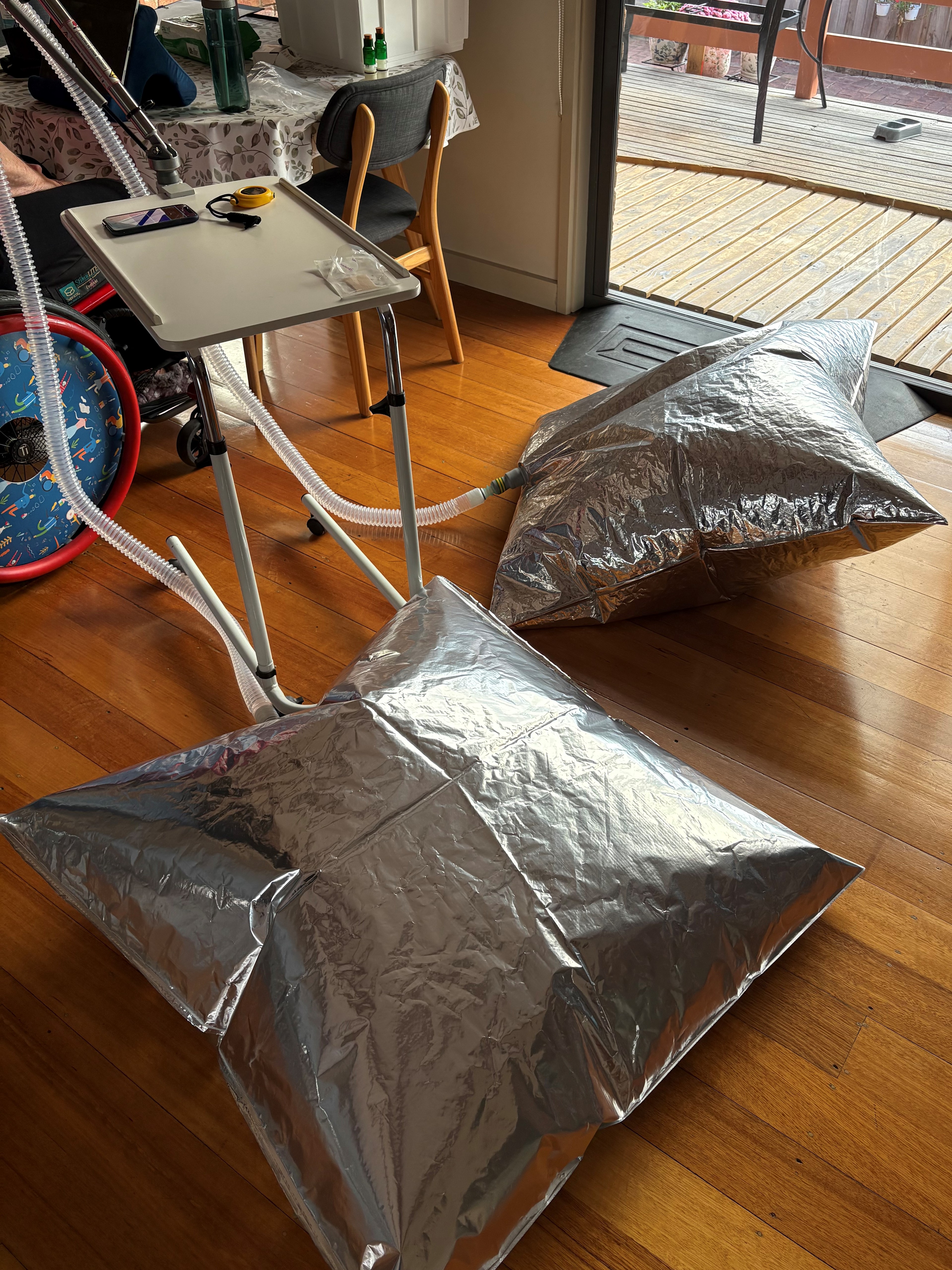
Bags used for delivery of air in therapeutic intermittent hypoxia
Douglas Medical Bags used for delivery of low oxygen air and room air in Therapeutic Intermittent Hypoxia. -
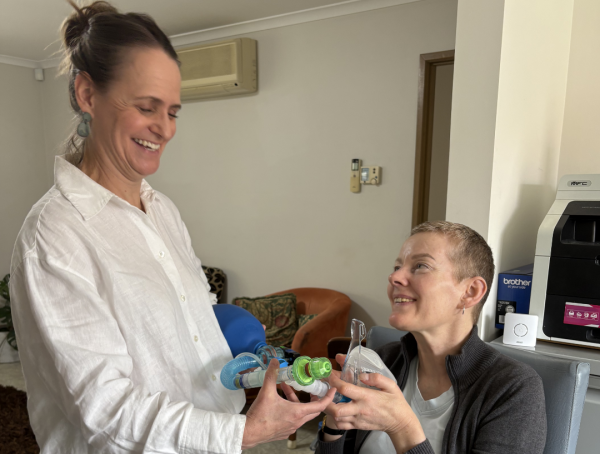
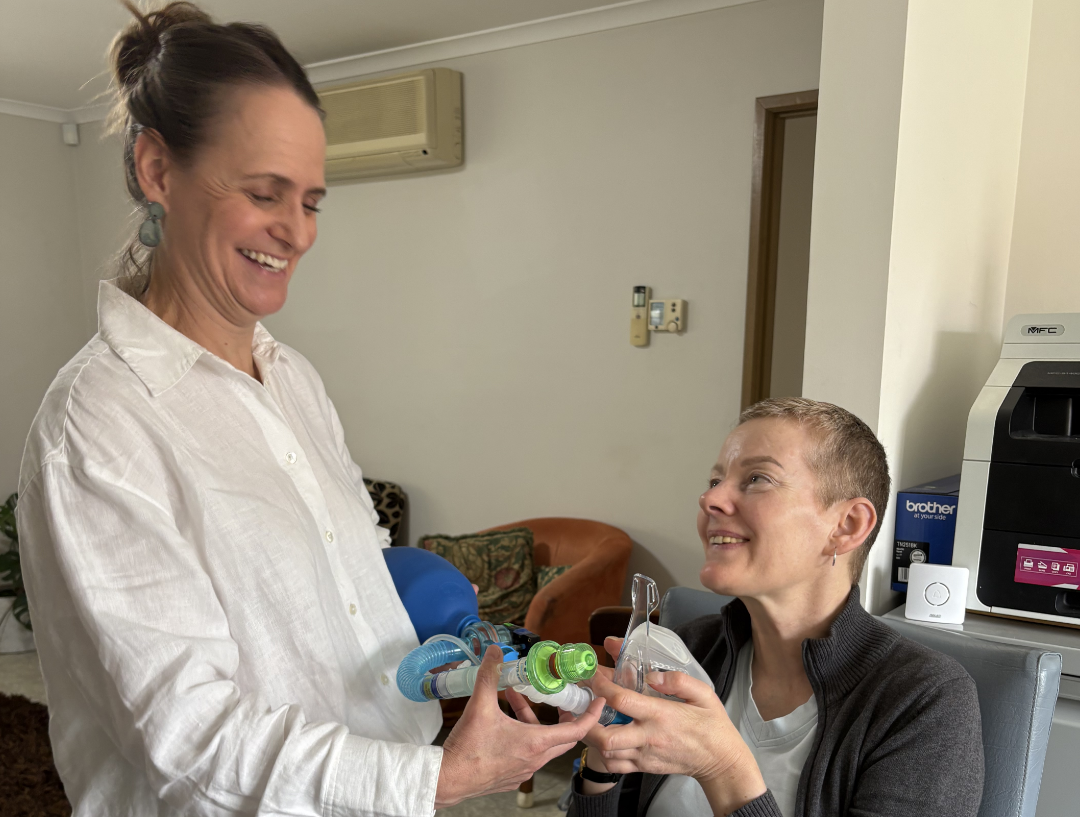
Dr Sheers and a participant in the CHEST- PRO trial
Dr Sheers and a participant in the CHEST- PRO trial
The RESPoND network
The Respiratory Education, Support and best Practice cOllaborative in Neuro Disability (RESPoND) is a clinical network that brings together health care professionals across Australia and New Zealand who work in respiratory care for people living with neuromuscular disease and neurodisability. RESPoND is an external group of clinicians led by a steering group and chair. The RESPoND website is hosted by the University of Melbourne. However, the content and governance remain with the ReSPoND group.