Restoration of Respiratory and Upper Limb Function after Cervical Spinal Cord Injury (RRULI) Participant information
What is the RRULI trial?
The RRULI Trial aims to investigate the effects of therapeutic intermittent hypoxia (TIH) and upper limb and breathing training on the restoration of respiratory and upper limb function in individuals with cervical spinal cord injuries.
What is Therapeutic Intermittent Hypoxia?
Therapeutic intermittent hypoxia involves breathing short bursts of low-oxygen air alternating with normal oxygen.
Research suggests brief exposure to low-oxygen levels may act as a 'neuroplasticity primer,' preparing the brain to create new neural connections. This may increase the effects of rehabilitation.
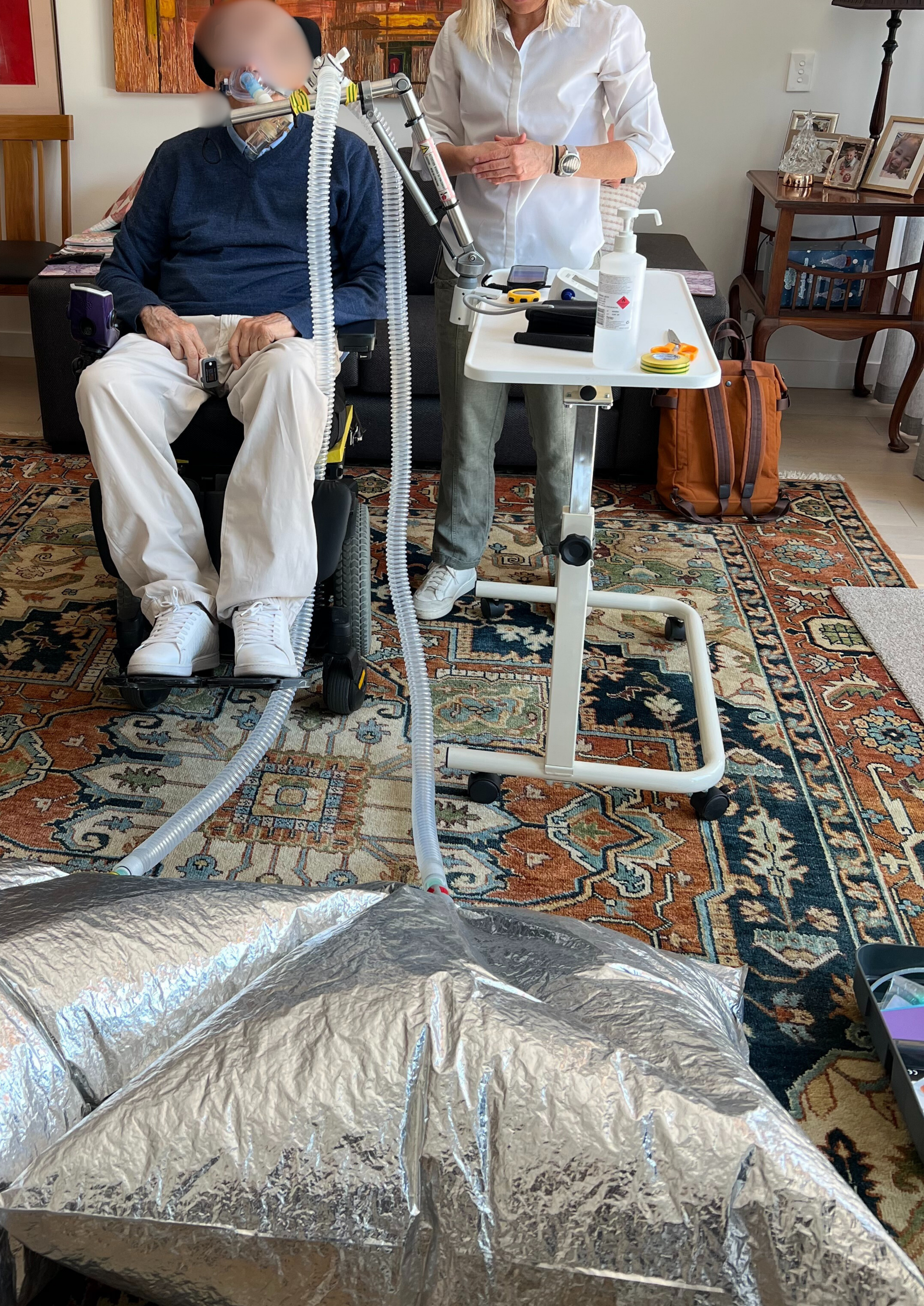
In the RRULI trial, participants complete a session of therapeutic intermittent hypoxia that alternates room air and low-oxygen air every minute for 30 minutes. This is followed by 30 minutes of rest and 30 minutes of exercise training.
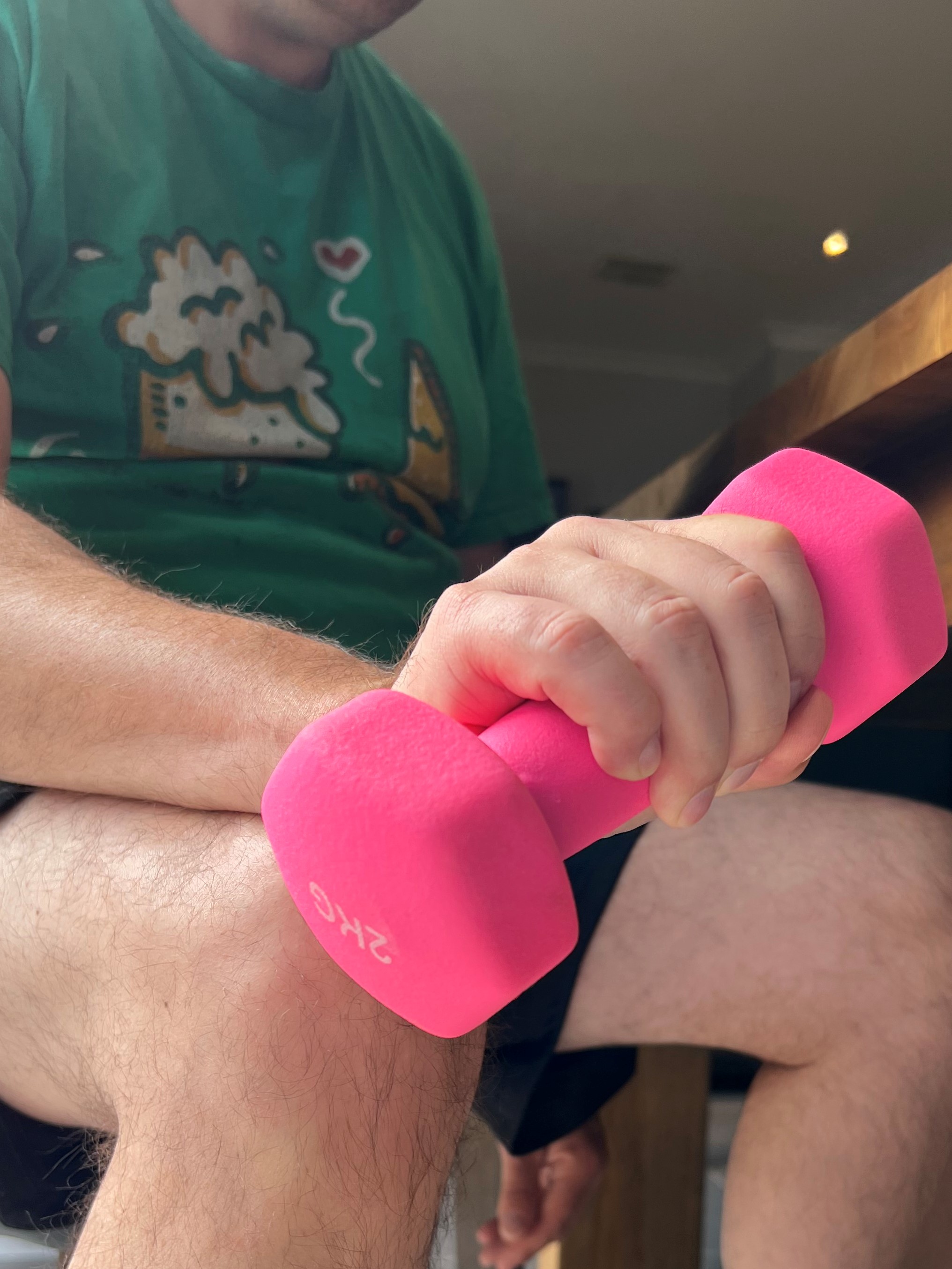
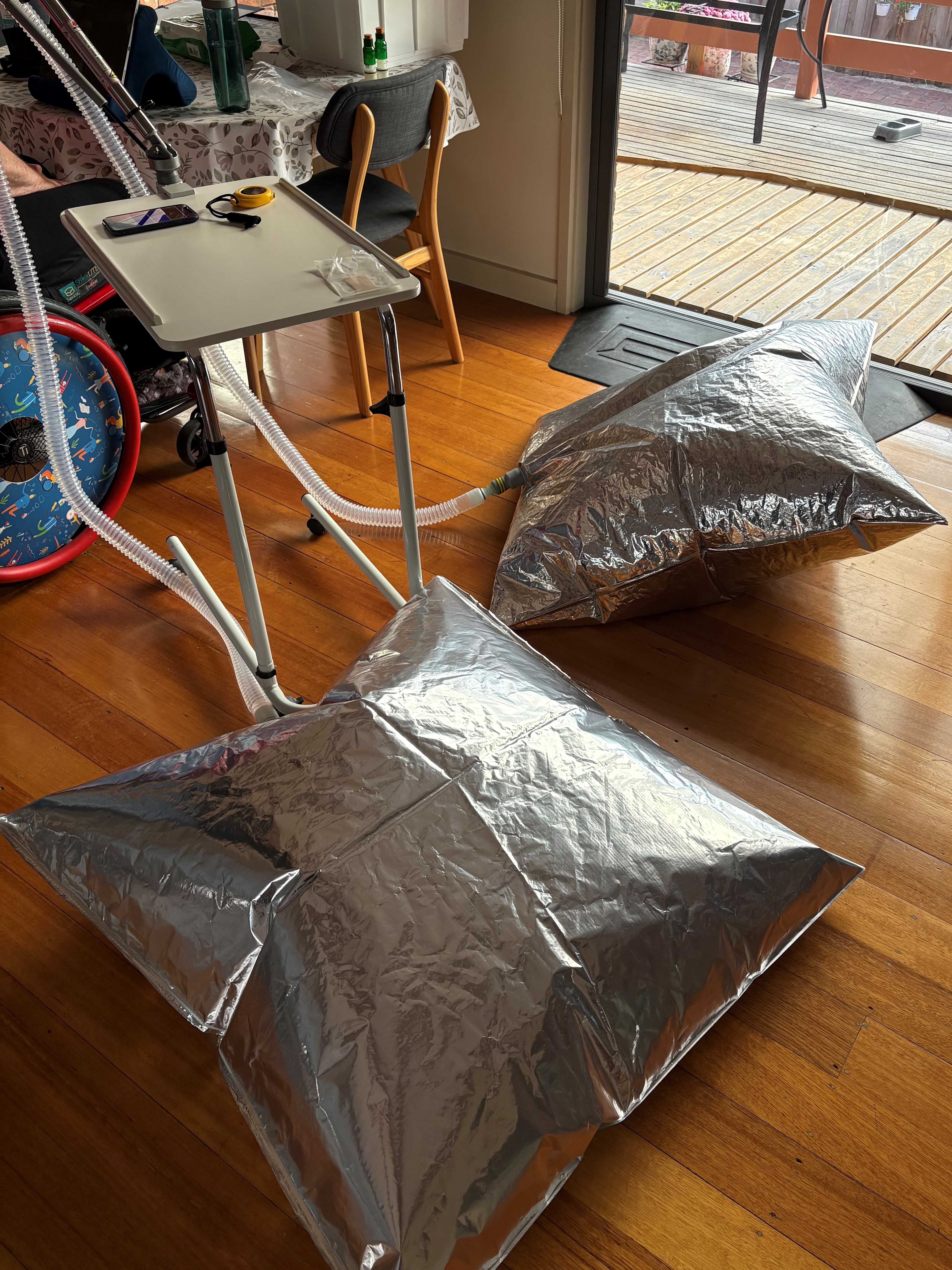
Images Left to Right: Hand weight for exercise training, participant completing therapeutic intermittent hypoxia, Gripper used for exercise training, air-filled bags for therapeutic intermittent hypoxia.

Is RRULI right for you?
The study might be a good fit for you if:
- You are 18 years or older
- You are diagnosed with a spinal cord injury – C2 to T1 level of injury
- Your spinal cord injury occurred at least one year ago
- You have an incomplete injury (motor incomplete)
- You can breathe independently
And you don’t have any of the following:
- A progressive neurological disease or other major neurological condition
- A current pressure injury or infection
- Severe upper limb contracture
- Any serious medical condition, cognitive impairment (for example, trouble remembering or learning), drug dependency or psychiatric illness
- Are pregnant
What to expect if you participate
-
An overnight sleep study in your home before you start the intervention.
-
Assessments of upper limb and breathing function onsite at Austin Health (Heidelberg, Melbourne) pre and post intervention. Allow approximately five hours for each assessment.
You will be provided with vouchers for travel, parking and refreshments during the assessment days.
-
Intervention sessions are delivered in your home three times per week for six weeks by appropriately trained staff. Each session includes 30 minutes of therapeutic intermittent hypoxia, 30 minutes of rest and 30 minutes of exercise training.
What is involved in the exercise training?
-
- You choose one upper limb/ arm to train for the trial.
- Each set of exercise will be repeated in order. For example, (1) handgrip, (2) wrist extension, (3) inspiratory muscle training (IMT) and (4) five minutes of a goal-based functional task. These are repeated for a total of about 30 minutes.
- The aim is to increase exercise intensity, strength and functional ability over the six weeks.
- You can remain seated in your own wheelchair or chair for the exercise session.
-
- You will set a goal for your upper limb at the start. For example, improving your ability to pick up a cup.
- This part of the exercise training is guided by your therapist based on your goal. It may include dexterity tasks such as using pegs, marbles, cups, bottles or everyday objects.
-
Handgrip
Hand grip exercises using a gripper, ball or resistance applied by the therapist.
Wrist extension
Wrist extension exercises with resistance applied by the therapist or other props such as a theraband or weight.
Breathing training
Inspiratory muscle training (IMT) which strengthens the breathing muscles by adding resistance to inhalation or breathing in.
What is a home visit like?
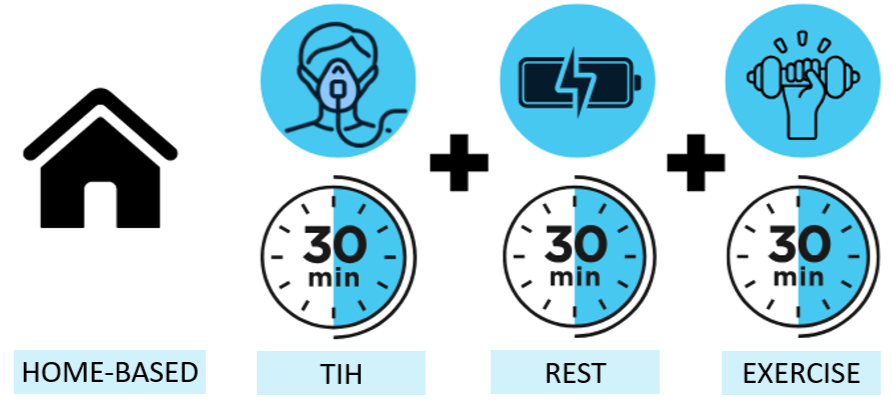
A typical study visit may look like this...
Researchers arrive at the agreed upon session time. They enter your property with the therapy kit and set up in an area of your choice.
You complete 30 minutes of breathing through a mask for the therapeutic intermittent hypoxia with regular monitoring. You may choose to listen to audio or watch television during this time.
You have 30 minutes to rest.
After resting, a trained therapist would complete 30 minutes of upper limb and breathing exercises/ therapy with you.
The researchers would be in your home for around two hours. This happens three times a week for six weeks.
Contact us about the RRULI trial
Interested in joining the RRULI trial or learning more?
Contact person: Dr Kate Carey
Email: BEST-NMD@unimelb.edu.au
Contact number: 0468 862 693
The study is approved by Austin Health ethics (HREC/111389/Austin-2024)