Congratulating the Musculoskeletal Physiotherapy team for winning the Norman Curry Award for Innovation and Excellence in Educational Programs
The Melbourne Teaching Excellence Awards celebrate excellence in contribution to teaching and student learning.
Each year academic staff from various disciplines and roles across the University are acknowledged for their outstanding achievements across excellence in teaching in higher education, including: approaches to learning and teaching that influence, motivate and inspire students to learn; development of curricula and resources that reflect a command of the field; approaches to assessment that bring about improvements in teaching and learning; respect and support for the development of students as individuals; scholarly activities that have influenced and enhanced learning and teaching.
The Norman Curry Award recognises programs and initiatives in innovation and excellence that support teaching and learning including: distinctiveness, coherence and clarity of purpose; a positive influence on student learning and student engagement; breadth of impact; and concern for equity and diversity. The award is open to individuals and teams, including professional staff and collaborations with partnering organisations, providing projects or services relating to teaching and learning within any organisational unit of the University.
The Norman Curry Award this year goes to a multidisciplinary collaborative team across physiotherapy, nursing, social work and computing and information sciences. The team includes Dr David Kelly (Physiotherapy), Dr Mark Merolli (Physiotherapy), Dr Jessica Stander (Physiotherapy), Chris Frith (Physiotherapy), Travis Haber (Physiotherapy), Dr Marilyn Webster (Physiotherapy), Dr Kim Allison (Physiotherapy), Jessica Lees (Physiotherapy), Stephanie Hawkins (Physiotherapy), Bronwyn Tarrant (Nursing), Dr Nicole Hill (Social Work), Dr Antony Chacon (Engineering) and Dr Hasan Ferdous (Digital Health).
This team has led significant innovation that has shaped the delivery of teaching, motivating and inspiring students to learn through the Musculoskeletal Physiotherapy section of the Doctor of Physiotherapy Program. This team is at the forefront of leading innovation in teaching and learning.

Key achievements developed and sustained from 2016-2023
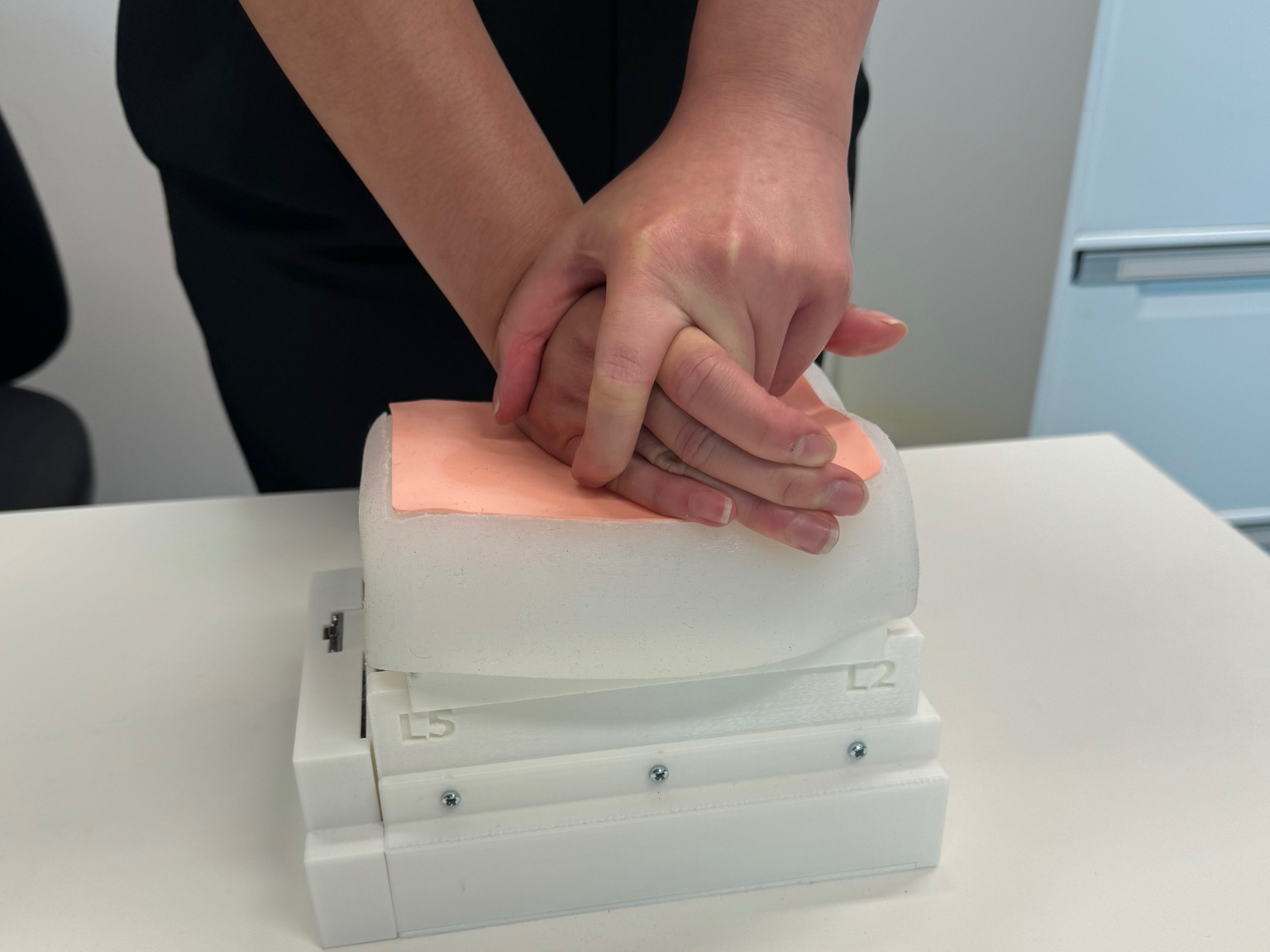
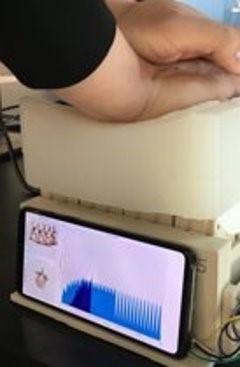
Physiotherapy students throughout their musculoskeletal block are required to develop psychomotor skills for assessing and treating patients with back problems. The team, alongside collaborators from Computing and Information systems, have developed SpinalLog to enable authentic force and compliance sensation of lumbar spine with direct visual feedback. This work has been supported by >$83,000 in grant funds, received a best paper award, been published in two papers and received media publicity. A patent for this device was filed in October 2022. Its use is being further evaluated with students across two universities and is anticipated to significantly improve clinical competency in manual skills of physiotherapists.
Another innovation has been scaffolding the development of clinical reasoning skills in assessment of musculoskeletal systems through the development of a program called Augmented Studio. This program displays anatomical information such as bones and muscles on the human body in real time. It has received funding, publications, and media attention. There is currently a Australian Physiotherapy Association Pat Cosh Grant application under review (2023) to formally embed this teaching and learning activity across the Physiotherapy program and more broadly across other health disciplines.
Further, the team has invested efforts in bridging the clinical research and teaching nexus with contemporary and highly skilled experts. This includes engaging titled physiotherapists, embedding student-led simulation for authentic engagement in ‘real-life’ case studies with patient notes/operative reports, ‘real-life’ attachments, and debriefing. Utilising Professional+/WINK in the curriculum helps to facilitate professional behaviour and wellbeing in students.